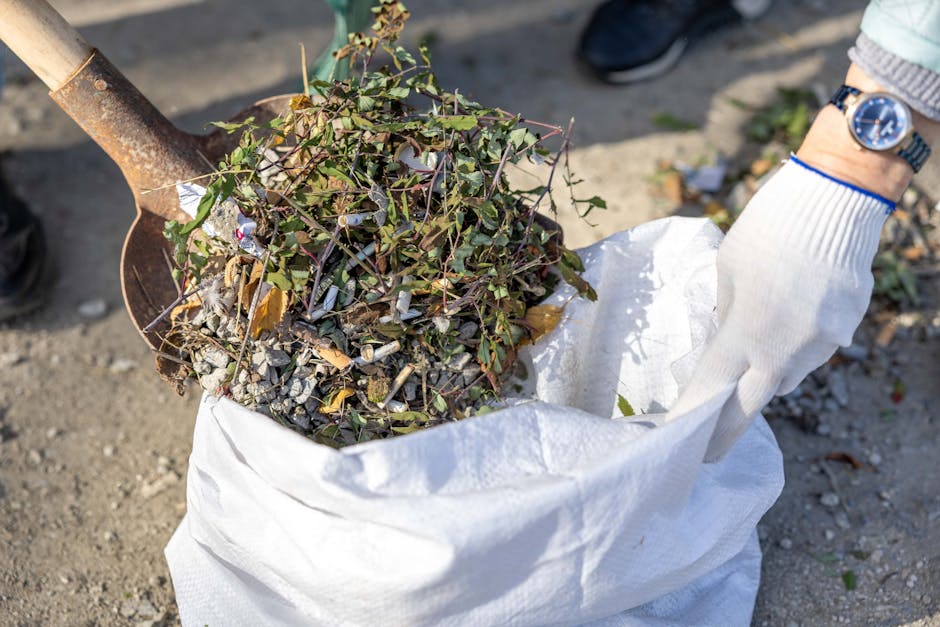
Emergency Garden Clearance Fulham Rapid Gardeners: Fast, Practical Help When Your Outdoor Space Needs Clearing Now
If your garden has gone from "a bit messy" to genuinely unmanageable, you are not alone. Storm debris, overgrown shrubs, broken branches, fly-tipped waste, old furniture, or a landlord deadline can turn a peaceful outdoor space into a stressful job that feels bigger by the hour. That is exactly where Emergency garden clearance Fulham rapid gardeners come in: fast-response help for gardens that need sorting quickly, safely, and with as little disruption as possible.
In Fulham, where outdoor spaces can be compact, shared, or tucked behind terraced homes, speed matters. But so does care. A proper emergency clearance is not just a quick sweep with a bag and a grin. It is a structured approach that removes waste, protects nearby plants or surfaces, manages access issues, and leaves the space ready for whatever comes next. Below, you will find a practical guide to how it works, when it makes sense, what to expect, and how to avoid the mistakes that slow everything down.
Table of Contents
- Why emergency garden clearance matters
- How emergency garden clearance works
- Key benefits and practical advantages
- Who this is for and when it makes sense
- Step-by-step guidance
- Expert tips for better results
- Common mistakes to avoid
- Tools, resources and recommendations
- Law, compliance, standards, or best practice
- Options, methods, or comparison table
- Case study or real-world example
- Practical checklist
- Conclusion
- Frequently asked questions
Why emergency garden clearance matters
When a garden becomes overloaded with waste or overgrowth, the problems are not only visual. In a busy part of London like Fulham, neglected outdoor space can quickly become awkward, unsafe, and even costly. A pile of cut branches can block access. Slippery moss, wet leaves, and hidden rubble can make paths dangerous. Old timber, damaged fencing, and storm-fallen limbs can also create hazards that need prompt attention.
Emergency clearance matters because it restores control. That might sound dramatic, but if you have ever stared at a garden after heavy rain or after weeks of no maintenance, you will know the feeling. The job can look impossible until the right team breaks it down properly. And once the clutter starts coming out, the space suddenly makes sense again. The air feels lighter. The path appears. The garden becomes a garden, not a dumping ground.
There is also a practical side. A cleared garden is easier to inspect, measure, repair, or redesign. If you are planning work such as ongoing garden maintenance later, a rapid clearance creates the clean slate that makes future care far more manageable. If you are dealing with broken trees, unsafe limbs, or a tree that has come down in bad weather, tree lopping and removal may need to sit alongside the clearance work too.
Expert summary: emergency clearance is not just about speed. The best results come from fast but tidy decision-making, safe removal, and a plan for what should be kept, cut back, recycled, or disposed of responsibly.
How emergency garden clearance works
Emergency garden clearance is usually straightforward from the customer's point of view, but there is a lot happening behind the scenes. A good team will begin with a quick assessment, either from photos, a phone call, or an on-site look. They are trying to answer a few basic questions: what needs removing, how urgent is it, how easy is access, and are there any safety issues?
Once the scope is clear, the team prioritises the work. In a typical urgent clearance, the first pass removes obvious trip hazards, bulky waste, storm debris, and obstructive growth. Then the area is sorted more carefully. Some material is bagged. Some is cut down into manageable sections. Some may be chipped or separated for recycling. The process is not glamorous, and to be fair, it is rarely tidy at the start. Gardens under pressure often look worse before they look better.
In many cases, rapid gardeners will work in stages so the most important issues are dealt with first. For example, if a pathway is blocked, that gets opened up. If a rear access route is dangerous, that gets cleared next. If hedges or brambles are pushing into a boundary, that may need immediate trimming before anything else can happen. For overgrown screens, fences, or boundary shrubs, hedge trimming is often part of the same job.
The final stage is usually a tidy-through: sweeping, loading, and making sure the garden is left in a usable state. Some customers only need emergency clearance once. Others use it as the reset point before moving into landscaping or regular upkeep. That is where landscaping or landscape gardening can become the sensible next step, once the urgent mess is out of the way.
Key benefits and practical advantages
The obvious benefit is speed. When you need a garden cleared quickly, you want fewer delays and fewer return visits. But speed is only one part of the value.
- Immediate safety improvement: loose branches, hidden debris, and slippery patches can be removed before they cause accidents.
- Better access: clear pathways make it easier for residents, contractors, or letting agents to move through the space.
- Less stress: a chaotic garden can weigh on you mentally. Clearing it gives you breathing room.
- Cleaner handover: useful for tenancy changes, sale preparations, or end-of-build tidy-ups.
- Better long-term planning: once the clutter is gone, you can actually see what needs repairing or redesigning.
- More efficient follow-on work: mowing, hedge work, and planting are all easier after clearance.
There is also a less obvious benefit: better decision-making. It is hard to judge a garden when you cannot see the ground properly. After an urgent clearance, you can finally tell whether you need a simple tidy, a full redesign, or just ongoing maintenance. That clarity is worth a lot. It saves guesswork, which saves money, and honestly, saves headaches too.
If you are weighing up what to do next, it may help to explore the wider range of services overview so you can match the immediate clearance to whatever the garden needs afterward.
Who this is for and when it makes sense
This kind of service is useful for a wide range of people. The most common situations are fairly easy to recognise once you have seen a few of them.
Homeowners often call for urgent clearance after a storm, after a long holiday, or when the garden simply got away from them. It happens. Life gets busy, the bins fill up, and suddenly the back garden is hiding more than it should.
Landlords and letting agents need quick turnarounds between tenancies. A garden left overgrown or littered with debris can delay the next viewing or move-in date, which is the last thing anyone wants when the clock is already ticking.
Tenants may need fast help before checkout inspections, especially if the outdoor area is part of the rental agreement. In those cases, a rapid clearance can reduce the risk of avoidable disputes.
Property managers and commercial clients often need the space made safe and presentable with very little notice. Think access routes, shared gardens, or service yards that cannot stay blocked.
People recovering from illness, injury, or a demanding life event may also need a garden cleared before they can think about regular maintenance again. That is a very real use case. Sometimes the job is less about aesthetics and more about getting life back on track.
It makes sense when the space is:
- unsafe to walk through
- blocked by waste or overgrowth
- needed for a move, sale, or inspection
- damaged by weather
- too large to tackle alone in time
And sometimes the answer is simple: you do not need a grand redesign. You just need the garden back. Fair enough.
Step-by-step guidance
If you want the process to run smoothly, a little preparation goes a long way. Here is the practical sequence most people find useful.
- Identify the urgent issues. Walk the garden if it is safe to do so. Note blocked access, hanging branches, broken items, rubbish piles, and anything sharp or unstable.
- Take a few clear photos. A couple of wide shots and a few close-ups help a team judge the scale before arriving.
- Separate keep, remove, and unsure items. If you want to retain planters, tools, or outdoor furniture, mark them clearly. Saves confusion later. Saves arguments too.
- Check access. Make sure gates, side passages, and shared entrances can be used safely. In tight Fulham properties, access can be half the job.
- Flag safety concerns. Mention broken glass, nails, unstable structures, or possible tree damage. If a tree looks compromised, it should be handled carefully rather than rushed.
- Request a clear scope. Confirm what is included: removal, loading, sweeping, green waste separation, and disposal.
- Ask what happens after clearance. Some gardens need a second visit for mowing, hedge work, or light restoration. It helps to know that now, not later.
For recurring problems, consider pairing the emergency clearance with regular upkeep. A one-off rescue is helpful, but maintenance prevents the same mess from building up again two months down the line.
Expert tips for better results
Here are a few things that make a real difference, based on the sort of jobs where speed and accuracy both matter.
Be honest about the condition. If there is more waste than you first thought, say so. Under-describing the job usually creates delays, and nobody likes surprise chaos. Not even gardeners.
Prioritise access before aesthetics. Opening a pathway or removing a dangerous branch is more valuable than making the borders pretty on day one. The pretty bit can follow.
Group work by type. Green waste, timber, rubble, metal, and general rubbish should be separated where possible. It keeps the job cleaner and can make disposal more efficient.
Protect surfaces and structures. In Fulham gardens, slabs, decking, fence panels, and narrow side returns can all be easily scratched or dented if heavy material is dragged carelessly. A careful team will lift rather than scrape.
Think about the next stage. If the garden will be mowed, replanted, or redesigned afterwards, tell the team. That helps them clear in a way that supports the next job rather than working against it.
Choose timing with a bit of common sense. Early starts are often better for access and neighbour considerations. And, well, less likely to involve a grumpy face over the fence.
If your garden has decking, moss, or damaged boards hidden under the mess, it may be worth reviewing decking services as part of the long-term plan, because clearance alone will not fix a rotten board or a slippery surface.
Common mistakes to avoid
Rapid clearance is one of those jobs where a few avoidable mistakes can turn a simple task into a longer, pricier one. The biggest ones are surprisingly ordinary.
- Waiting too long: small problems become tangled ones. Brambles grow fast. Rain makes things heavier. Time rarely helps.
- Not checking access: a blocked gate or locked side passage can slow everything down.
- Assuming all waste is the same: green waste, general rubbish, and construction debris are different beasts.
- Ignoring safety hazards: broken glass, hidden wire, and unstable branches should always be flagged early.
- Skipping follow-up care: a cleared garden still needs some kind of maintenance plan or it often drifts back to square one.
- Keeping everything "just in case": this is the classic one. Half the items in a cluttered garden are only there out of indecision.
A small aside: I have seen more than one job stalled because someone hoped the pile in the corner was mostly leaves. It was not mostly leaves. It never is.
Another mistake is assuming that emergency clearance automatically means a full restoration. Sometimes people expect a cleared garden to also be levelled, replanted, and beautifully finished in one visit. That may be possible in stages, but the first job is usually to remove the mess safely and efficiently.
Tools, resources and recommendations
The right tools make a major difference to speed and safety. You do not need to own them yourself, of course, but it helps to know what a capable crew will typically bring.
- Heavy-duty gloves for brambles, glass, thorny growth, and rough timber
- Loppers and pruning saws for thick stems and overgrowth
- Secateurs for smaller cutting work and detail trimming
- Rakes and brooms for final tidying and clearing loose material
- Wheelbarrows and sacks for moving waste efficiently in narrow gardens
- Tarps or sheets to protect paving, lawns, and access routes
- Spades or forks where soil, root material, or heavy clumps need lifting
- Cut-resistant eye and hand protection for safer handling of sharp or brittle waste
For many customers, the best recommendation is not a special tool at all. It is a good plan. Start with the most dangerous or obstructive items, then deal with what remains. If the garden has become difficult because of a broader neglect pattern, a regular schedule of lawn mowing can stop the next emergency from building quietly under your nose.
Where waste removal is a big part of the job, ask about recycling and responsible disposal. That is especially relevant for branches, soil, timber, and mixed garden debris. The aim is to leave a usable space without simply moving the mess somewhere else.
Law, compliance, standards, or best practice
For garden clearance in the UK, the main point is simple: work should be carried out safely, responsibly, and with proper care for waste handling. You do not need a legal seminar, thankfully, but there are sensible standards that good providers should follow.
In practice, that means using safe lifting methods, watching for hidden hazards, and dealing appropriately with different waste types. If a job involves dangerous branches, unstable trees, or tree work near boundaries, it should be handled cautiously rather than rushed. That is where experience matters. Tree-related jobs can create risks that are not always obvious from ground level.
It is also wise to look for clear insurance and safety practices. If a crew is working near fences, glass, paving, decking, or shared access routes, they should be able to explain how they reduce risk. You should feel comfortable asking. In fact, you should ask. It is just sensible.
For anyone concerned about how waste is handled, responsible recycling and disposal are a useful sign of a well-run service. If you want more detail on that side of things, the company's recycling and sustainability approach should tell you a lot about how seriously they treat the aftermath of the job.
There is also a customer-side best practice: be clear about ownership of items. If something in the garden belongs to a neighbour, landlord, tenant, or contractor, do not assume it can be removed. A little checking avoids unnecessary headaches later.
Options, methods, or comparison table
Different situations call for different approaches. Sometimes you only need a partial clear. Sometimes the whole garden needs a reset. The right method depends on urgency, size, and what happens next.
| Method | Best for | Pros | Limitations |
|---|---|---|---|
| Emergency clearance only | Blocked access, storm debris, urgent mess | Fast, focused, good for immediate safety | May not solve underlying neglect or future growth |
| Clearance plus tidying | Gardens needing a presentable finish | Better visual result, more usable straight away | Can take longer than a basic urgent clear |
| Clearance plus maintenance | Spaces that keep slipping back into overgrowth | Prevents repeat problems, easier to manage | Needs a follow-up schedule |
| Clearance plus landscaping | Gardens due for redesign or repair | Transforms the space after clutter is removed | More planning needed, not instant |
In a lot of real-world Fulham jobs, the best choice is a staged one: emergency clearance first, then either maintenance or landscaping once you can see the space properly. That avoids wasting effort on features that might later be removed anyway.
Case study or real-world example
A typical scenario goes like this. A small rear garden in Fulham has been left untouched through a wet, windy stretch of weather. A few branches fall, the grass grows long, bags of old plant debris pile up in one corner, and the side return becomes harder to use. By the time the resident calls for help, the garden no longer feels practical. It feels like a job that has already beaten them.
The first step is a quick assessment. The team identifies the blocked access, the wet debris, and the overgrown edges. They start by clearing the route through the garden so movement is safe. Then the heavier material comes out: branch sections, torn bags, and broken items. Once the main obstruction is gone, the rest of the space can be seen clearly. That is often the moment people relax a bit. You can almost hear the change. The space stops fighting you.
After the clearance, the resident may decide to book regular garden care, because now the garden is visible enough to manage properly. A simple schedule can be enough. Mowing, edging, and the occasional trim keep the garden from drifting back into chaos. If hedges were part of the problem, a follow-up with hedge trimming can tidy the boundaries and reduce the sense of enclosure that overgrowth creates.
That is the pattern in a lot of these jobs: urgent intervention first, then sensible maintenance. Not dramatic. Just effective.
Practical checklist
Use this simple checklist before booking or during the first conversation. It helps make the job smoother and more predictable.
- Identify what needs removing right now
- Note any hazards such as broken glass, sharp metal, or hanging branches
- Take a few photos from different angles
- Check gate, side passage, and rear access
- Separate items you want to keep
- Tell the team if tree work may be involved
- Ask what happens to green waste and mixed debris
- Confirm whether sweeping and basic tidy-up are included
- Plan the next step after clearance, such as mowing or maintenance
- Make sure any shared-space permissions are clear
If the space is part of a wider outdoor refresh, it can also be worth reviewing the company's pricing and quotes page before you commit, so you understand how the scope may affect the final arrangement.
Conclusion
Emergency garden clearance in Fulham is about more than quick labour. Done properly, it restores safety, opens access, reduces stress, and gives you back a usable outdoor space without dragging the process out. Rapid gardeners can make a surprising difference in a single visit when the work is approached with care, proper judgment, and a clear plan.
The best results usually come from being honest about the scale of the job, separating urgent issues from cosmetic ones, and thinking one step ahead. Clear the mess first, then decide whether the garden needs maintenance, hedge work, tree attention, or a fuller redesign. That sequence saves time and keeps the whole thing manageable.
And if your garden currently looks like a job too far, take a breath. It rarely is. A clear plan and the right help can turn even a stubborn outdoor space into something decent again, sometimes faster than you expect.
Get a free quote today and see how much you can save.
If you want to understand the team behind the work, you can also read more about us and learn how the service is delivered with practical care. For direct help, the contact page is the next step.
Frequently Asked Questions
What counts as emergency garden clearance?
It usually means a garden that needs urgent attention because it is unsafe, blocked, heavily overgrown, or left in a condition that cannot wait for a routine appointment. Storm debris, broken branches, access problems, and end-of-tenancy mess are common examples.
How fast can rapid gardeners usually respond in Fulham?
That depends on workload, access, and how complex the job is. A smaller clearance can often be arranged much faster than a large or hazardous one. The more detail you can give at the start, the easier it is to schedule sensibly.
Do I need to sort the garden before the team arrives?
No, not fully. But it helps to move personal items, pets, or anything you definitely want to keep. If you can separate obvious keep and remove piles, that makes the visit quicker and reduces confusion.
Will emergency clearance include waste removal?
It should be made clear in advance. Most customers want the waste taken away as part of the job, but the exact arrangement should be confirmed before work starts so there are no surprises later.
Is emergency clearance the same as garden maintenance?
Not really. Clearance is about dealing with the immediate mess, debris, or overgrowth. Maintenance is the ongoing work that keeps the garden tidy afterward. They work well together, but they serve different purposes.
What if the garden has a dangerous tree or broken branch?
Tell the team straight away. Tree issues can be more complex than standard clearance and may need specialist attention. Anything unstable should be treated carefully rather than rushed.
Can emergency clearance help before a property sale or tenancy check-out?
Yes, very often. A quick clear can improve presentation, restore access, and help the garden look cared for without requiring a full redesign.
How do I know if I need hedge trimming as well?
If hedges are spilling over paths, blocking light, or making the garden feel enclosed and untidy, trimming is usually a smart follow-up. It is especially useful after a clearance when the boundary line becomes visible again.
What should I ask before booking?
Ask what is included, how waste is handled, whether access is an issue, and whether the work will finish with a basic tidy-up. It is also sensible to ask about insurance and safety practices, especially if there is tree work or awkward access.
Is emergency garden clearance only for very bad gardens?
No. Sometimes the garden is not dreadful, just time-sensitive. A rapid clear can be the right answer after a storm, before an inspection, or when you need the space usable again quickly.
What happens after the garden is cleared?
That depends on your goals. Some people stop there. Others move straight into lawn care, hedge trimming, or broader landscaping. If you want a more settled result, a follow-up plan is usually the best way forward.
How can I avoid needing emergency clearance again?
Regular upkeep is the simplest answer. Light maintenance, occasional mowing, and seasonal trimming stop growth and debris from building up into a bigger problem. A little attention now and then really does save a lot of effort later.