Garden Maintenance in Fulham

Garden maintenance in Fulham should keep outdoor spaces tidy, healthy and usable through the year, whether the work involves regular care for a compact courtyard or a more varied residential garden. Our service focuses on practical upkeep: lawn care, hedge trimming, border tidying, pruning, clearance of green waste and seasonal attention that keeps planting areas manageable. The aim is straightforward garden care that supports a neat finish without overcomplicating the process.
Homes and shared properties often need a maintenance plan that fits the space rather than a one-size approach. We can look after routine tasks, seasonal cut-backs and one-off tidy-ups, with the work shaped around the condition of the garden and the results the customer wants to keep. If you are comparing options or planning a refresh, you can request a quotation once you have a clear idea of the scope.
Our work is suitable where the main need is ongoing presentation and control rather than a full redesign. That may mean keeping grass at a manageable level, clearing overgrowth, restoring the edges of beds and paths, or combining several smaller tasks into a single visit. For many gardens, the most useful outcome is simply a reliable routine that preserves order and makes later planting or improvement decisions easier.
Regular upkeep for lawns, borders and access areas
Routine maintenance is often the difference between a garden that feels easy to use and one that becomes harder to manage over time. We handle the kinds of jobs that keep outdoor areas presentable: mowing, strimming, edging, deadheading, weeding and the removal of light seasonal debris. Where needed, we also pay attention to access paths and corners that can quickly look neglected if they are left out of the schedule.
For many properties, the best plan is a consistent mix of tasks that can be repeated at sensible intervals. A lawn may need cutting and edging more regularly than shrubs need pruning, while beds may only need selective attention to keep the planting balanced. If you are planning work across more than one part of the garden, our services overview can help you see how the different maintenance and improvement options fit together.
Maintenance is not just about appearance. It also helps keep plants healthier by reducing crowding, lifting debris that traps damp and making it easier to spot issues early. Good upkeep can support growth by giving hedges, borders and grass the conditions they need to recover between visits. In practice, that means a tidier finish and fewer surprises when the season changes.
Lawn care and edging for a cleaner finish

Lawn work is often the most visible part of garden maintenance, so it deserves careful handling. We can keep grass cut to an even level, tidy the perimeter where blades meet beds or paving, and remove the clippings once the job is complete. A properly finished lawn usually looks sharper when the edges are defined, because straight lines and neat margins help the whole space read as cared for rather than patchy.
Some lawns need simple routine mowing, while others benefit from more attention to length, growth direction and recovery. The right approach depends on how the lawn has been managed before, the season and the overall condition of the surface. Where a space has become uneven, the work may involve a more measured cut rather than an aggressive one, especially if the grass needs time to recover and thicken.
When a lawn is paired with paving, borders or narrow side return areas, edging becomes especially useful. It gives structure to the garden and helps prevent the appearance of grass encroaching into pathways or planting spaces. Our lawn mowing service is designed to support that clean presentation, with the practical details handled in a way that suits the layout of the property.
Hedge trimming and shrub care
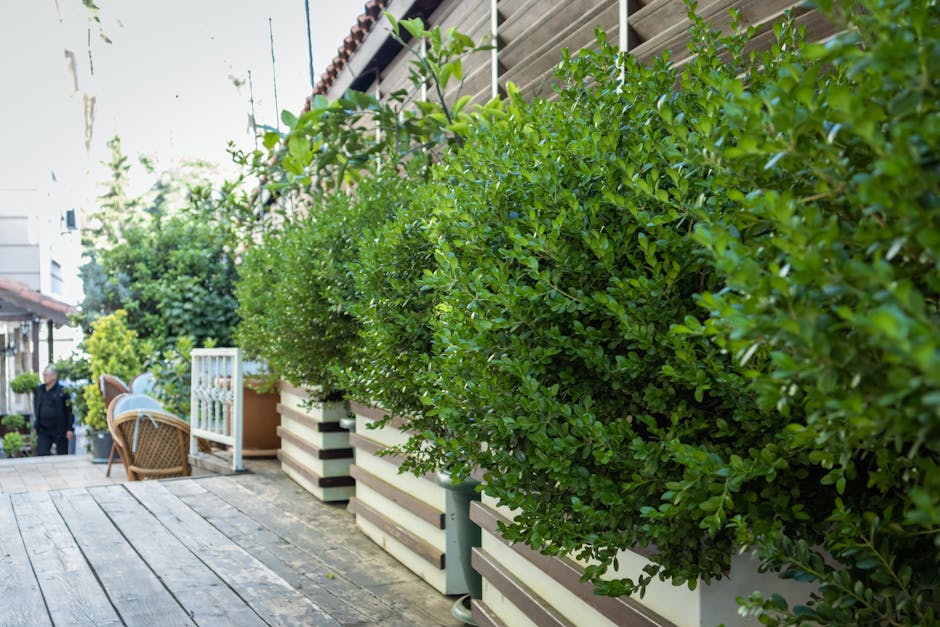
Hedges and shrubs shape the structure of a garden, but they also need regular care to stop them becoming too dense, too wide or visually untidy. Trimming keeps the outline under control and supports a balanced look across the whole space. In a smaller garden, a well-cut hedge can make the area feel more open, while in a larger setting it helps maintain privacy without allowing growth to spill into paths or windows.
We can trim hedges to maintain a defined line and remove awkward growth that disrupts the shape. Shrubs may need lighter selective cutting, dead stems removed, and occasional reshaping to encourage a fuller but more controlled habit. Not every plant should be cut in the same way, so a sensible maintenance visit considers the type of growth and the season before deciding how much to remove.
If a hedge has become too broad or difficult to manage, it may need a more structured reduction rather than a simple tidy-up. That is best planned carefully, because the aim is to restore control without leaving the plant thin or exposed. Our hedge trimming page covers this part of the work in more detail, including the kind of finish that suits different gardens.
Clearing overgrowth and lifting a neglected garden

Some gardens only need light upkeep, but others begin with overgrowth, fallen material or borders that have disappeared under thick growth. Clearance work helps bring those spaces back to a manageable state so the underlying layout can be seen again. That might involve cutting back long grass, removing dense weeds, clearing brambles, or taking away accumulated garden waste that has built up over time.
A good clearance does more than make the space look better for the day. It creates a sensible starting point for later maintenance, replanting or small improvements. Once the heavy growth has been removed, it becomes easier to see what should be kept, what needs pruning and which parts of the garden are simply covered by clutter. For many customers, that first pass is the point at which the space becomes usable again.
Where there is a mix of routine care and heavier clearing, the work can be planned in stages so the garden is not rushed. If your outdoor area needs a stronger reset before regular upkeep can begin, our garden clearance page explains the kind of work involved and how it can sit alongside ongoing maintenance.
Seasonal tasks and tidy-up visits
Gardens change with the seasons, and maintenance works best when it responds to that change. In spring, the focus may shift to fresh growth, early weeds and soft pruning. In summer, grass, hedges and watering-sensitive areas may need closer attention. Autumn brings leaf fall and the need to keep surfaces clear, while winter visits are often about restraint, safety and making sure the garden stays orderly.
Seasonal upkeep is useful because it prevents the garden from drifting into a pattern of catch-up work. If left too long, small tasks become larger and the whole space can start to feel harder to manage. Keeping on top of the main jobs means each visit can focus on the right priorities at the right time, rather than repeating the same emergency tidy-up. That approach suits both small front gardens and larger rear spaces.
A well-timed visit can also prepare the garden for later changes. If you are thinking about planting, hard landscaping or a longer-term improvement, an orderly starting point makes decisions easier. Our garden maintenance page sets out the ongoing service in more detail, with support for the usual tasks that keep the space under control.
What to expect from a maintenance visit

Before the work begins, it helps to be clear about the parts of the garden that matter most. A lawn, hedge, bed edge, paved strip or rear access area may each need a different amount of attention, and the order of work can make a noticeable difference to the result. For that reason, many customers find it useful to identify the main priorities first and then decide which tasks belong in the same visit.
When preparing for a quotation, it is useful to note whether the garden needs ongoing maintenance, one-off tidying or a combination of the two. Photos can help show the scale of the work, especially where growth is uneven or where access is narrow, but a clear written description is helpful too. If the space includes features such as steps, raised beds or dense planting, mentioning them early makes it easier to match the work to the layout.
For a simple request, you may only need the basics: what needs attention, how often the garden is likely to need upkeep and whether any clearance or waste removal is required. If you already know you want to arrange a quotation, it is best to include enough detail for the scope to be understood first, then follow up if anything needs clarifying.
About Fulham
Fulham is a district in west London, lying within the London Borough of Hammersmith and Fulham and stretching along the northern bank of the River Thames. Its riverside setting has shaped the area for centuries, with old routes, former industrial land and residential streets now sitting alongside parks, local shopping areas and sports venues. Fulham Palace, long associated with the Bishops of London, is one of the best-known historic landmarks in the district and reflects the area’s long ecclesiastical history. The palace grounds add a green corridor beside the river and provide a calm contrast to the busier roads nearby. Parsons Green is another familiar open space, acting as a central meeting point within the district and giving the neighbourhood a recognisable focal point. The area also includes Bishops Park, which follows the Thames and offers broad riverside paths, lawns and views across the water. Fulham’s built environment varies from elegant terraces and mansion blocks to later apartment buildings and commercial streets, showing the layers of development that came with suburban growth and transport links in the 19th and 20th centuries. Stamford Bridge, although most famously linked with football, is part of the wider local identity and adds to the district’s strong sporting profile. Along the river, small marinas and towpath sections connect the area to the wider Thames landscape, while older streets inland retain a more settled, village-like character in places. Taken together, these features make Fulham a densely lived-in part of London with a mix of heritage, open space and urban convenience.
Keeping a garden manageable through the year
One of the main advantages of regular maintenance is that it keeps decisions simple. Instead of waiting until everything needs attention at once, the work can be spread across the year in a way that suits the size and condition of the garden. That approach is particularly useful where planting is mixed, because lawns, hedges, borders and hard edges often need different levels of care at different times. The result is usually a more balanced, orderly space with less catch-up work.
We can combine tasks where it makes sense to do so, such as mowing and edging, trimming and waste collection, or a clearance visit followed by lighter upkeep later on. The point is to make the maintenance practical rather than overcomplicated. A garden does not need every task on every visit; it needs the right tasks in the right order, with the finish kept consistent enough that the outdoor area remains easy to use and pleasant to look at.
If you are ready to move forward, the next step is simply to ask for a quotation with the key details of the space. You do not need a perfect plan before getting in touch, only enough information to show what kind of upkeep is required and which areas should be prioritised. Pricing and quotes provides a useful place to begin that conversation.
Supporting different garden layouts and finishes
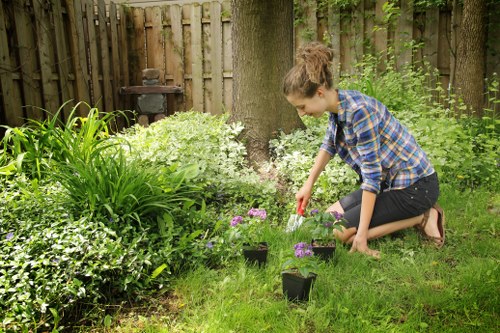
Garden maintenance needs to respect the layout of the space as much as the condition of the planting. A narrow side return may call for careful access and neat edging, while a rear garden might need a broader plan that brings together lawn work, hedge care and border tidy-up. Shared outdoor spaces can also benefit from a regular routine, because they often need to look presentable without depending on one-off heavy work.
Some customers want a crisp, highly maintained finish; others prefer a lighter level of care that keeps growth under control without making the garden look too rigid. Both approaches are valid, but they require different treatment. Tailored maintenance allows the garden to stay in step with the way it is used, rather than forcing the same treatment onto every part of the space. That can be especially helpful where planting is ornamental, practical or a mixture of the two.
If your requirements extend beyond basic upkeep into wider improvements, it may be worth looking at related services as well. Landscape gardening is a useful option where the maintenance work is only one part of a larger plan for the outdoor area, while the more general approach to shaping and improving a space can be found through landscaping. For a fuller enquiry, send the details and ask for a quotation when you are ready.
Related work that can sit alongside maintenance
Some gardens need more than routine upkeep, particularly where surfaces, structures or trees also require attention. Decking may need cleaning and care to keep it looking tidy. Trees may require controlled reduction or removal if they are affecting the balance of the garden. In other cases, the work is less about growth and more about turning a neglected space back into one that can support regular care again.
Where those tasks are relevant, it can be sensible to address them alongside the maintenance visit so the space is easier to manage afterwards. That does not mean every garden needs the same combination of services; it simply means the work can be coordinated when a broader approach is helpful. Used carefully, this can make the garden simpler to maintain in future and reduce the amount of repeated disruption.
For broader improvement work, you may also want to review decking services or tree lopping and removal if those elements are part of the job. If the first step is still just keeping the garden in good order, then a maintenance plan can remain focused on the basic tasks that matter most.