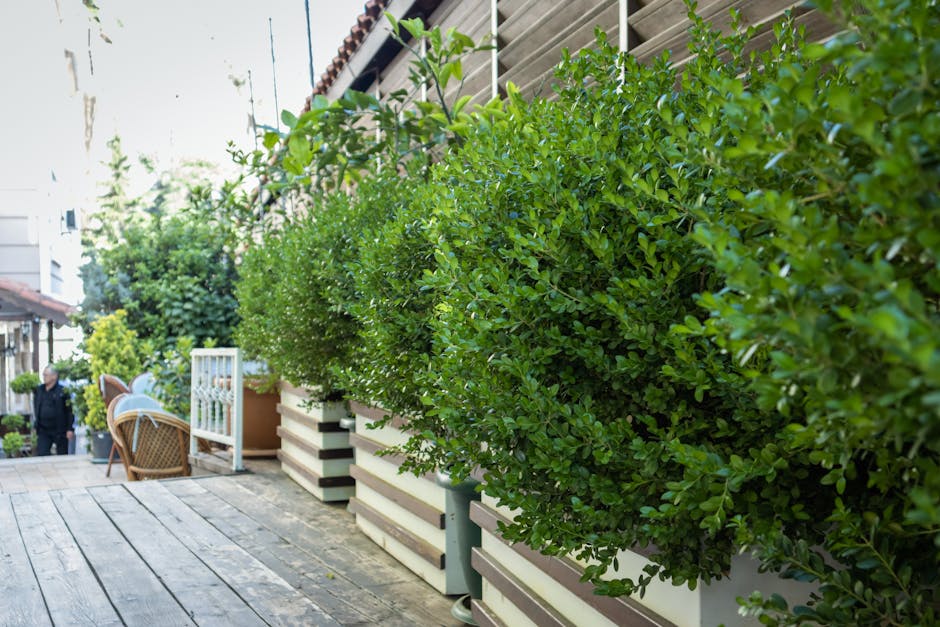
Fulham Broadway gardeners maintenance for terraces: a practical guide to keeping compact outdoor spaces thriving
If you live near Fulham Broadway, you probably already know the charm of terrace gardening: a small courtyard, a narrow rear space, a balcony spillover, maybe a few pots catching the late afternoon sun. It looks simple from the street. Then the wind, shade, drainage quirks, and a month of busy life happen, and suddenly the whole thing feels like work. That is where Fulham Broadway gardeners maintenance for terraces becomes less of a luxury and more of a sensible routine.
This guide walks through what terrace maintenance really involves, how it works in a busy London setting, and what to expect from a professional service. We will also look at common mistakes, practical tools, compliance considerations, and the details that make compact gardens feel calm instead of cramped. Truth be told, a terrace can be one of the easiest spaces to neglect and one of the nicest to get right.
Why Fulham Broadway gardeners maintenance for terraces Matters
Terraces are forgiving in size, not in neglect. A compact outdoor space in Fulham Broadway faces a particular mix of conditions: reflected heat from brick, pockets of shade between buildings, occasional traffic dust, and the kind of gusts that can flatten a planter overnight. On a larger plot, small issues can hide. On a terrace, every leaf, weed, stain, or broken pot is right there in front of you.
Good maintenance keeps the space usable. That sounds obvious, but it matters. A terrace that is regularly pruned, swept, fed, checked for drainage problems, and arranged properly feels bigger. It also feels easier to enjoy. You do not spend Saturday mornings staring at a tangle of stems and thinking, where on earth do I start?
There is also a practical side. Terrace planting often uses containers, raised beds, wall planters, trellises, timber edging, and occasionally decking. Each has its own upkeep needs. Poor maintenance can lead to root congestion, waterlogged soil, mould on surfaces, slippery decking, or plants failing simply because they are fighting the wrong microclimate. Small space, big consequences. That is the reality.
If you already have hard landscaping or timber features, it is worth looking at the broader picture too. Services such as decking services, landscaping, and landscape gardening often sit alongside terrace maintenance because the planting and the structure need to work together. One without the other can feel unfinished.
Expert summary: Terrace maintenance is not just about keeping things neat. It is about preserving usable space, avoiding small damage that turns expensive, and making sure compact planting can cope with urban conditions without constant drama.
How Fulham Broadway gardeners maintenance for terraces Works
Professional terrace maintenance usually starts with a proper look at the space rather than a quick tidy. That first assessment matters because no two terraces behave the same. One may be north-facing, damp, and a bit gloomy. Another may be bright, dry, and windy enough to desiccate containers by noon. A good gardener will notice the difference immediately. You will notice it too, once the right plants stop sulking.
In practical terms, the work often falls into a few regular tasks:
- pruning and shaping shrubs, climbers, and herbaceous plants
- deadheading flowers to encourage repeat blooms
- checking containers for drainage and soil compaction
- replacing tired compost or refreshing mulch
- lawn care where a small lawn exists, using a service such as lawn mowing
- weed control in pots, joints, and paved areas
- sweeping leaves, soil, and debris
- checking for pests, mildew, and weather damage
- cleaning and light upkeep around paths, edging, and nearby features
Sometimes the work is purely maintenance. Sometimes it becomes corrective. For example, a terrace that has been left for a season may need more than tidying: spent growth removed, congested planters thinned out, surfaces cleared, and perhaps some larger material taken away with help from garden clearance. That is not failure. It is just part of dealing with real life, and real terraces rarely stay magazine-perfect for long.
In many cases, maintenance plans are set on a weekly, fortnightly, or monthly rhythm depending on how visible and active the space is. A family using the terrace every day will usually need more frequent attention than a decorative roof terrace used mainly on weekends. And yes, winter still counts. Often more than people expect, because drainage, wind exposure, and fallen debris are easier to ignore until the first wet spell makes everything slick.
Key Benefits and Practical Advantages
There are obvious benefits to regular terrace maintenance, and a few that sneak up on people later.
- Better presentation: tidy planting and clean surfaces make the entire property feel cared for.
- Healthier plants: regular pruning and feeding helps container plants stay resilient.
- Safer surfaces: moss, wet leaves, and loose soil are easier to manage before they become slippery.
- Longer-lasting materials: timber, stone, and planters last longer when cleaned and checked properly.
- More usable space: clutter-free terraces are easier to sit in, water, and enjoy.
- Less emergency work: regular visits catch problems early, before they become expensive.
There is also a mental benefit people often underestimate. A small terrace can feel like an extra room when it is maintained well. On a grey London evening, with a cup of tea and a few lights on, even a modest planted border can soften the whole flat. That sounds a bit sentimental, maybe. Still true, though.
For properties where outdoor space connects to social use, maintenance can also support entertaining. If the terrace is adjoining a deck or paving area, keeping the whole setting consistent matters. A clean transition between soft planting and hard surfaces makes the space feel intentional rather than squeezed together.
Who This Is For and When It Makes Sense
Fulham Broadway gardeners maintenance for terraces is a good fit for a wide range of people, not just homeowners with time on their hands. In fact, it often makes the most sense for people who are busy, not because they love gardening less, but because they know it will not look after itself.
This service is especially useful if you are:
- a homeowner with a compact rear terrace that needs regular upkeep
- a tenant or landlord wanting a presentable outdoor area between moves
- a professional with limited time who still wants the space to feel calm
- someone with planters, climbers, and mixed containers that need seasonal care
- a property owner preparing for guests, photos, or a sale
- managing a terrace with hard landscaping, timber features, or decorative screening
It also makes sense when plants start showing consistent stress: wilting despite watering, yellowing leaves, dry soil that repels water, or roots forcing plants to lift out of containers. If that sounds familiar, you are not alone. Terrace gardens can look fine for months, then one windy week and a missed watering cycle can expose every weakness at once.
In our experience, many people wait until the space becomes visually annoying. Fair enough. But a better trigger is pattern-based: if you are repeating the same maintenance tasks every week and still not getting ahead, the garden probably needs a more structured routine.
Step-by-Step Guidance
If you want to understand what professional terrace maintenance should look like, it helps to break it into practical stages. No mystery, just a clean process.
1. Assess the space properly
Start with light, shade, drainage, access, and surface condition. A terrace is often a patchwork of different microclimates. One corner may roast in afternoon sun while another stays damp after rain. This affects plant choice, watering frequency, and the order of work.
2. Clear obvious debris
Remove dead leaves, broken stems, windblown litter, and any loose compost from paths or paving. This is not glamorous, but it instantly improves the space and reduces the risk of slipping or staining.
3. Prune and shape
Cut back overcrowded growth, remove dead or damaged stems, and keep climbers trained where they belong. On terraces, overgrowth can quickly block light, crowd seating areas, and make the whole space feel half its size.
4. Refresh pots and borders
Container plants often need compost top-ups, feed, or a full replacement of tired soil. If roots are circling tightly or water runs straight through, the pot is not doing its job anymore. That is a quiet sign many people miss.
5. Check watering and drainage
Terraces dry fast in summer and can stay waterlogged in winter. Drainage holes, saucers, gravel layers, and soil structure all matter. Sometimes the fix is simple. Sometimes a plant just needs moving to a better spot. Gardening can be like that, a bit annoying and very honest.
6. Clean hard surfaces and finishes
Sweep paving, wipe down planters, and check timber or composite surfaces for algae, staining, or wear. If decking is part of the terrace, it may need separate attention from a specialist service such as decking services.
7. Review the planting mix
Ask whether the plants still suit the space. Some terraces become too shaded over time due to neighbouring growth or changes in access to light. Others get hotter and windier than expected. Adjusting the planting palette is often more effective than fighting the site.
8. Set the next visit date
Good maintenance is not a one-off rescue. It is a rhythm. Once the routine is clear, the terrace stays easier to manage and much less reactive.
Expert Tips for Better Results
Here are the little things that make a terrace look considered rather than merely serviced.
- Use fewer, better plants: a cramped terrace can look busy very quickly. Strong structure beats random variety.
- Choose containers with proper drainage: decorative pots are lovely, but if water sits in them, the plants will tell you soon enough.
- Mulch lightly and sensibly: it helps hold moisture and tidy the surface, but too much can look heavy in a small space.
- Keep a clean edge: the line between planting and paving should be crisp. That tiny detail changes the whole feel.
- Plan for wind: taller plants, trellises, and lightweight pots need anchoring or grouping.
- Rotate attention seasonally: summer watering, autumn leaf control, winter drainage, spring pruning. Each season asks something different.
If you are managing a terrace near other hard surfaces or walls, watch for splashback and staining. It is not dramatic, just ordinary urban gardening reality. Also, do not cram every surface with a pot because you found a good offer. That joke ends badly every time.
Where planting is part of a wider outdoor upgrade, some clients benefit from combining maintenance with landscape gardening or landscaping so the layout, access, and planting all support one another instead of competing for space.
Common Mistakes to Avoid
Terrace gardens fail in predictable ways. The good news is that most of them are easy to spot once you know what to look for.
- Overwatering by habit: many container plants suffer more from waterlogging than drought, especially in shaded terraces.
- Choosing plants for looks only: a plant that loves full sun will not thank you for a gloomy corner.
- Ignoring root space: containers are finite. Growth slows, then stalls, then gets cranky.
- Letting weeds settle in paving joints: small weeds become bigger problems with embarrassing speed.
- Forgetting seasonal pruning: climbing plants and shrubs can become unruly before you realise.
- Overloading the terrace: too many pots, benches, and accessories can make maintenance difficult and the space feel tighter.
- Neglecting clear-up after bad weather: leaves, twigs, and debris can stain and block drainage if left too long.
One of the biggest mistakes is assuming a terrace is low maintenance because it is small. Small is not the same as simple. Sometimes it is more demanding, because every issue is concentrated in one place. A single broken planter can change the whole look.
Tools, Resources and Recommendations
You do not need a shed full of kit to keep a terrace in good shape, but the right basics make life easier.
| Tool or item | Why it helps | Best use on a terrace |
|---|---|---|
| Hand pruners | Clean cuts on small stems and tidy shaping | Regular trimming, deadheading, light pruning |
| Long-handled shears | Useful for shrubs and climbers | Reaching awkward corners without crushing foliage |
| Small rake or hand fork | Breaks up compacted soil and clears debris | Pots, troughs, and tight borders |
| Watering can with a rose | Gentle watering where hose use is awkward | Containers and sensitive plants |
| Stiff broom | Keeps paving, decking, and steps clear | Daily or weekly surface clean-up |
| Compost and feed | Refreshes tired containers | Seasonal top-ups and replacement planting |
If the terrace includes mature hedging in a shared boundary or screening plants that need sharper management, a specialist hedge trimming service can help keep the outline neat without hacking it back in a way that leaves bare patches.
For bigger resets, use garden clearance carefully and sensibly. It is better to remove congested material properly than to keep stuffing old stems into a corner and hoping they become "garden texture". They rarely do.
On the admin side, it is worth checking how a provider handles quotes, scheduling, and payments. A clear pricing and quotes approach is reassuring because terrace jobs can vary a lot depending on access, planting density, and whether you need routine maintenance or a one-off recovery visit.
Law, Compliance, Standards, or Best Practice
Terrace maintenance is usually straightforward, but there are a few sensible UK best-practice points to keep in mind. The exact requirements can vary depending on the property, access arrangements, and whether the terrace is private, shared, or part of a managed building.
From a practical safety perspective, any work at height, access over railings, or use of ladders should be handled carefully and only when appropriate. Wet surfaces, uneven paving, and fragile planters create avoidable risks. Professional gardeners should have a clear approach to safety and insurance, and it is reasonable to ask about both. If you are checking a provider, pages such as health and safety policy and insurance and safety can help you understand their standards.
Where waste is removed, disposal should be handled responsibly. Mixed green waste, broken pots, timber offcuts, and general debris should not just be dumped without thought. A sensible provider will be mindful of recycling and reuse where possible, and their approach to recycling and sustainability can be a useful marker of how carefully they work.
If a terrace is part of a block, shared courtyard, or managed building, there may also be internal rules about noise, access times, or protective measures around communal areas. That is not glamorous, but it matters. Nobody wants a neighbour annoyed by a leaf blower at the wrong time on a Sunday morning.
Options, Methods, or Comparison Table
Not every terrace needs the same level of maintenance. The right approach depends on how the space is used, the planting style, and how much time you have available.
| Approach | What it looks like | Best for | Trade-off |
|---|---|---|---|
| Light routine maintenance | Basic tidying, watering checks, deadheading, sweeping | Small terraces with stable planting | Can miss underlying problems if used too long |
| Seasonal maintenance | Deeper pruning, compost refresh, plant replacement, reset work | Terraces that change through the year | Less consistent between visits |
| Ongoing maintenance plan | Scheduled visits with structured tasks | Busy households, visible terraces, rental properties | Higher commitment, but usually easier to manage |
| Recovery or tidy-up visit | Clearance, shaping, surface clean, problem-solving | Overgrown or neglected terraces | Can feel heavier and more expensive than routine care |
For many Fulham Broadway homes, an ongoing plan is the sweet spot. Not too much. Not too little. Just enough to keep the space in shape without turning it into a project every weekend. If the terrace connects with a broader garden or courtyard, a combined service such as garden maintenance can be more efficient than patchwork booking.
Case Study or Real-World Example
A typical terrace in this part of London might be a narrow rear space with paving, three or four planters, a climber on a trellis, and a couple of chairs that only get used if the area feels clean enough to sit in. After a wet spring and a dry, breezy stretch, the pots begin to look tired. Leaves collect in corners. One planter tips slightly because the soil has settled. Nothing dramatic, just enough to make the space feel neglected.
In a situation like that, a sensible maintenance visit would usually focus on:
- removing spent material and fallen debris
- refreshing compost and checking drainage
- retraining the climber before it sprawls too far
- cutting back weak or damaged growth
- cleaning paving so the terrace feels brighter
- replacing any plant that has clearly outgrown its pot
What changes most is not just the look, but the feeling of the space. The terrace stops reading as a chore and starts reading as a room again. Even a small one. You step outside and think, yes, this works now. That small shift is often what people are really paying for.
If the area had been more severely neglected, a recovery visit might also involve garden clearance before the routine maintenance schedule could begin. That is very common, and not a problem. A lot of good gardens start with a slightly messy rescue.
Practical Checklist
Use this quick checklist if you want to keep a terrace in decent shape between professional visits.
- Check containers for standing water after heavy rain.
- Look for dry, cracked, or compacted compost.
- Remove dead leaves, fallen petals, and broken stems.
- Trim back anything blocking paths or seating areas.
- Inspect climbers and ties for looseness or damage.
- Sweep paving, steps, and decking surfaces.
- Watch for algae, moss, or slippery patches.
- Rotate pots if one side is getting too much wind or sun.
- Feed or mulch at the right time for the season.
- Replace weak plants before they drag the whole display down.
- Book a fuller tidy-up before spring and again before winter if needed.
Quick sanity check: if your terrace looks fine from a distance but irritating up close, maintenance is probably overdue. That usually means the small stuff has started winning.
Conclusion
Fulham Broadway gardeners maintenance for terraces is really about balance: enough structure to keep the space tidy, enough flexibility to cope with changing weather, and enough attention to make a compact outdoor area feel genuinely usable. When terrace maintenance is done well, the results are subtle but powerful. Plants look stronger. Surfaces feel safer. The whole place breathes a little easier.
It is not about forcing a tiny space to be something it is not. It is about making the best of it, honestly and consistently. A terrace can be small and still feel generous. In fact, that is often the point.
If you are planning a refresh, a regular maintenance schedule, or a full tidy-up of a terrace that has got away from you a bit, the next sensible step is to talk through the space, the planting, and the level of care you actually need.
Get a free quote today and see how much you can save.
Frequently Asked Questions
How often should a terrace in Fulham Broadway be maintained?
It depends on how the space is used, how much planting you have, and how exposed it is to wind and sun. Many terraces benefit from fortnightly or monthly attention, while active, highly visible spaces may need more frequent visits.
What does terrace garden maintenance usually include?
Typical work includes pruning, deadheading, weeding, sweeping, watering checks, soil refresh, and basic plant health checks. If hard landscaping or timber is involved, cleaning and surface care may also be included.
Is terrace maintenance different from general garden maintenance?
Yes, a terrace usually needs more attention to drainage, containers, access, and surface cleanliness. Space is tighter, so every plant and every feature has a bigger visual impact. There is less room to hide.
Can gardeners help if the terrace is overgrown or neglected?
Absolutely. In that case, the first visit often focuses on clearing, reducing congestion, and bringing the space back under control before regular maintenance can begin.
What are the biggest problems with terrace gardens?
Common problems include poor drainage, wind exposure, root congestion in pots, dry compost, slippery surfaces, and plants that no longer suit the light levels. Those issues are common, and manageable, but they do need attention.
Do terrace gardens need different plants from ground-level gardens?
Usually, yes. Containers, shade, reflected heat, and wind mean plant selection matters more. A plant that thrives in a sheltered border may struggle in a terrace pot, even if it looks healthy at first.
How do I know if my terrace needs a full tidy-up?
If you are seeing clutter, weak plants, visible weeds, or dirty surfaces all at once, that is a good sign the terrace needs a deeper reset. If it has been a while since the last proper cut-back, that is another clue.
Can maintenance help decking and paving last longer?
Yes. Regular cleaning, debris removal, and early attention to moss, algae, and surface wear can help preserve both appearance and safety. For timber areas, a dedicated decking service may be useful alongside plant care.
What should I ask before booking a gardener for a terrace?
Ask about experience with small urban spaces, how they handle waste removal, what is included in routine visits, and whether they have clear safety and insurance practices. A straightforward answer is usually a good sign.
Is terrace maintenance worth it for a small space?
Very often, yes. Small terraces can make a property feel far more liveable when they are cared for properly. They may be compact, but they still add comfort, light, and a sense of breathing room.
Can I combine terrace maintenance with other services?
Yes, and that can be a sensible way to keep the whole outdoor area consistent. Depending on what the space needs, services like hedge trimming, landscaping, decking services, or garden clearance may fit into the same broader plan.
What is the most common mistake people make with terrace plants?
Overwatering is probably the biggest one, closely followed by choosing plants that do not suit the terrace conditions. People water because they care, which is understandable, but containers do not always need as much as they seem to at first glance.